Driving Impact Through Strategic Communications
A selection of recent work
-
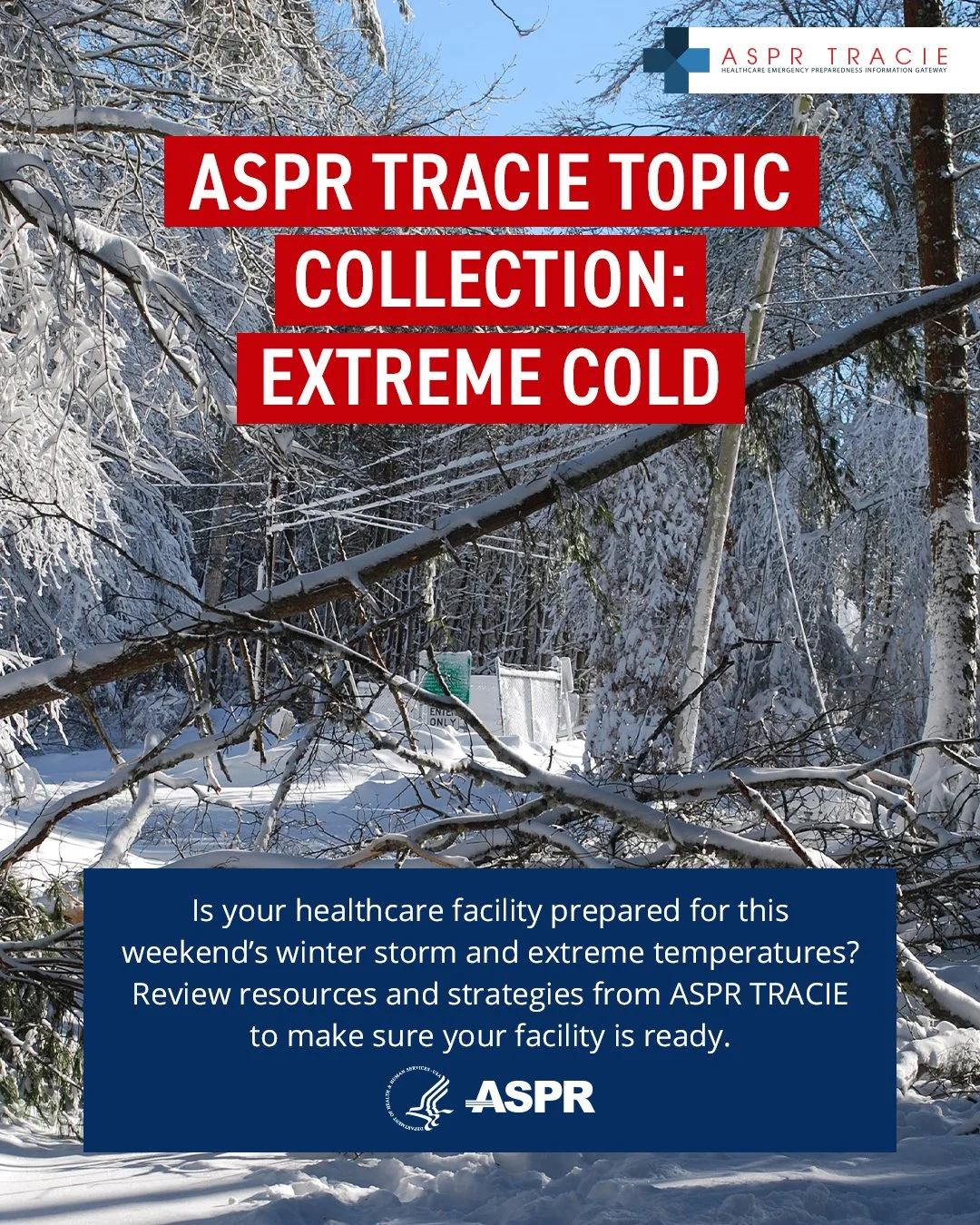
![Snow-covered trees with fallen branch and a snowstorm warning alert on top of the image, and ASPR logo and text about extreme cold preparedness at the bottom.]()
Is your hospital ready for this weekend’s winter storms? Check out ASPR TRACIE’s resources related to extreme cold to help your facility plan to fill preparedness gaps.
Extreme cold and winter weather can have serious consequences for healthcare facilities, vulnerable patients, and healthcare staff. Power outages caused by winter storms can affect more than just lights and HVAC systems. Life-supporting machines such as ventilators, patient monitors, and electronic health records may also be affected. During periods of extreme cold, patients with complex medical needs, such as those with comorbid cardiovascular diseases, are more likely to need emergency care, and pediatric pneumonia outpatient visits increase. Clinicians and staff may face challenges arising from interrupted childcare to transportation problems.
ASPR TRACIE’s Topic Collection on Extreme Cold can help your healthcare facility plan for and mitigate the impacts from this weekend’s storm by outlining strategies to maintain continuity of care during a time when patients and providers need extra support. https://lnkd.in/daP34nt
-
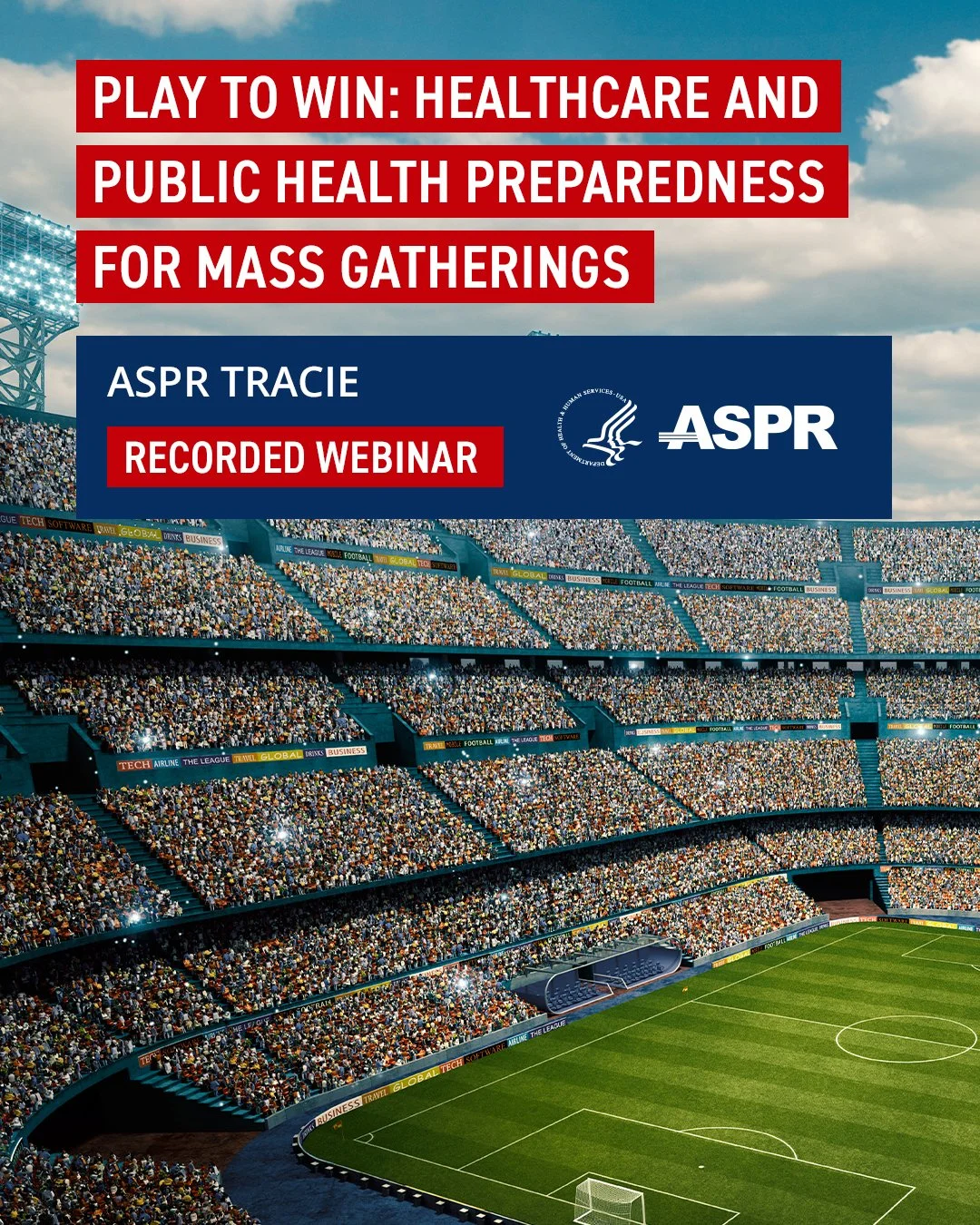
![Crowded stadium with a soccer field, promotional text for a webinar on health and public health preparedness for mass gatherings, hosted by ASPR, with a focus on a recorded webinar by Tracie.]()
Planning is underway for the FIFA World Cup! Long before the kickoff, ASPR starts working with our state and local partners as they put plans in place to protect health during the match. ASPR-supported programs, like the Medical Reserve Corps and health care coalitions, are getting ready to provide medical support and help area health care systems surge if there is an emergency during the event.
Planning for the FIFA World Cup isn’t unique. State, local, tribal, and territorial (SLTT) governments face similar challenges at many mass gatherings in their communities throughout the year. Using incident management systems for planning and operating these events as “planned emergencies” allows a rapid transition to emergency response should an incident occur.
ASPR provides planning guidance, training and technical assistance, operational coordination, medical surge support, and long-term resilience building to empower SLTT partners to identify, prepare for, mitigate, and respond to threats. ASPR is also prepared to provide support if health care systems become overwhelmed during one of these “planned emergencies.”
Watch ASPR TRACIE’s latest webinar to learn how health care providers, health care coalitions, and Medical Reserve Corps units are preparing for the 2026 World Cup games and related events being planned across the U.S. https://lnkd.in/gBZChiZy
-
![]()
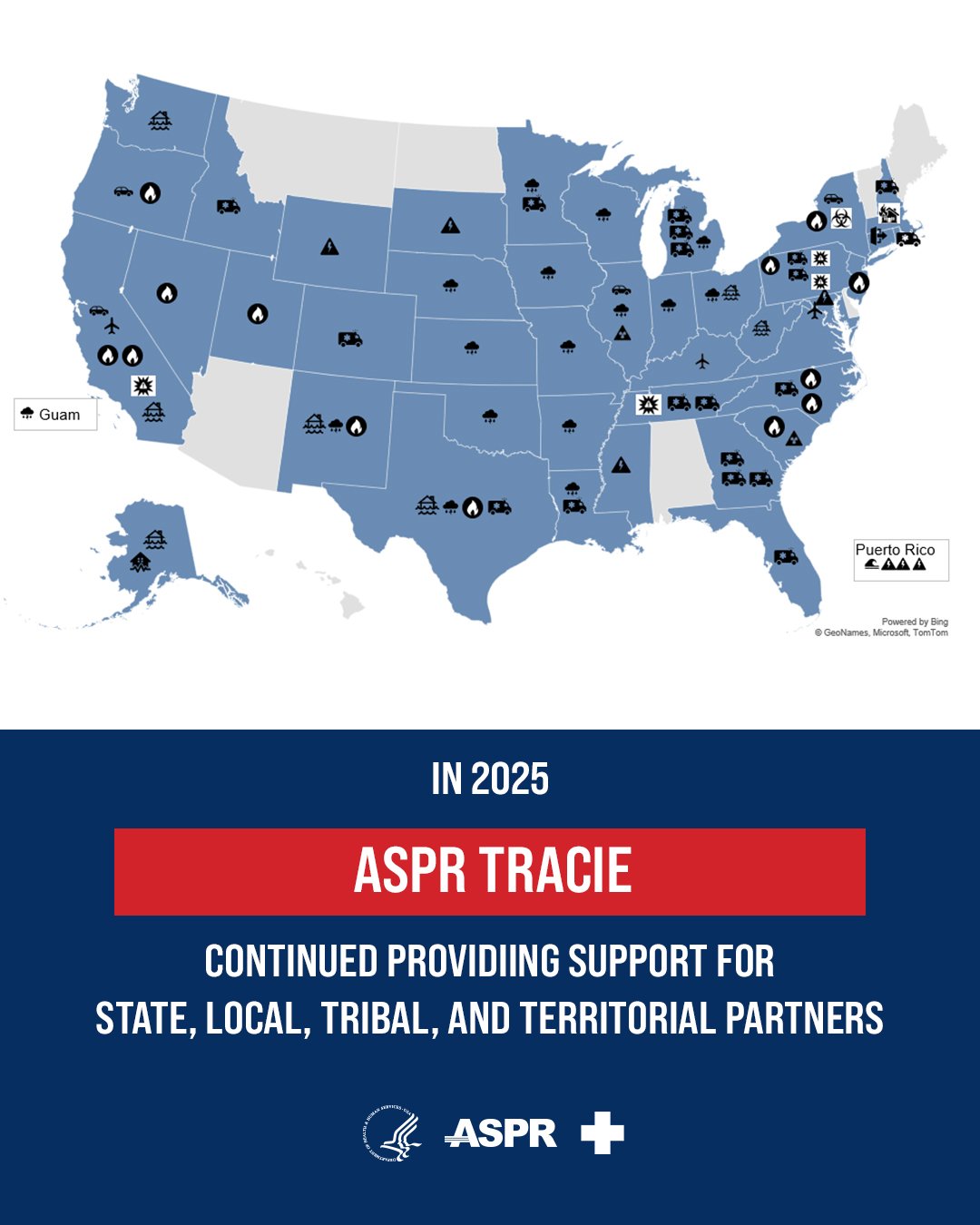
ASPR TRACIE strengthens state, local, tribal, and territorial (SLTT) partners’ resilience by delivering trusted and timely emergency preparedness resources and technical assistance. When partners receive the help they need, they become better equipped to support their communities when preparing for, responding to, and recovering from disasters.
In 2025, TRACIE shared incident-specific resources with SLTT partners for use in response to emergencies. 42 states, Guam, and Puerto Rico took advantage TRACIE’s support with 80 single-state responses and 7 multi-state responses, such as wildfire air quality alerts, floodings, and tropical storms.
ASPR TRACIE’s website has over 11,000 resources to help public health and health care professionals better prepare for, respond to, and recover from disasters.
Find out what ASPR TRACIE can do for you: https://lnkd.in/dSYxPcM
-
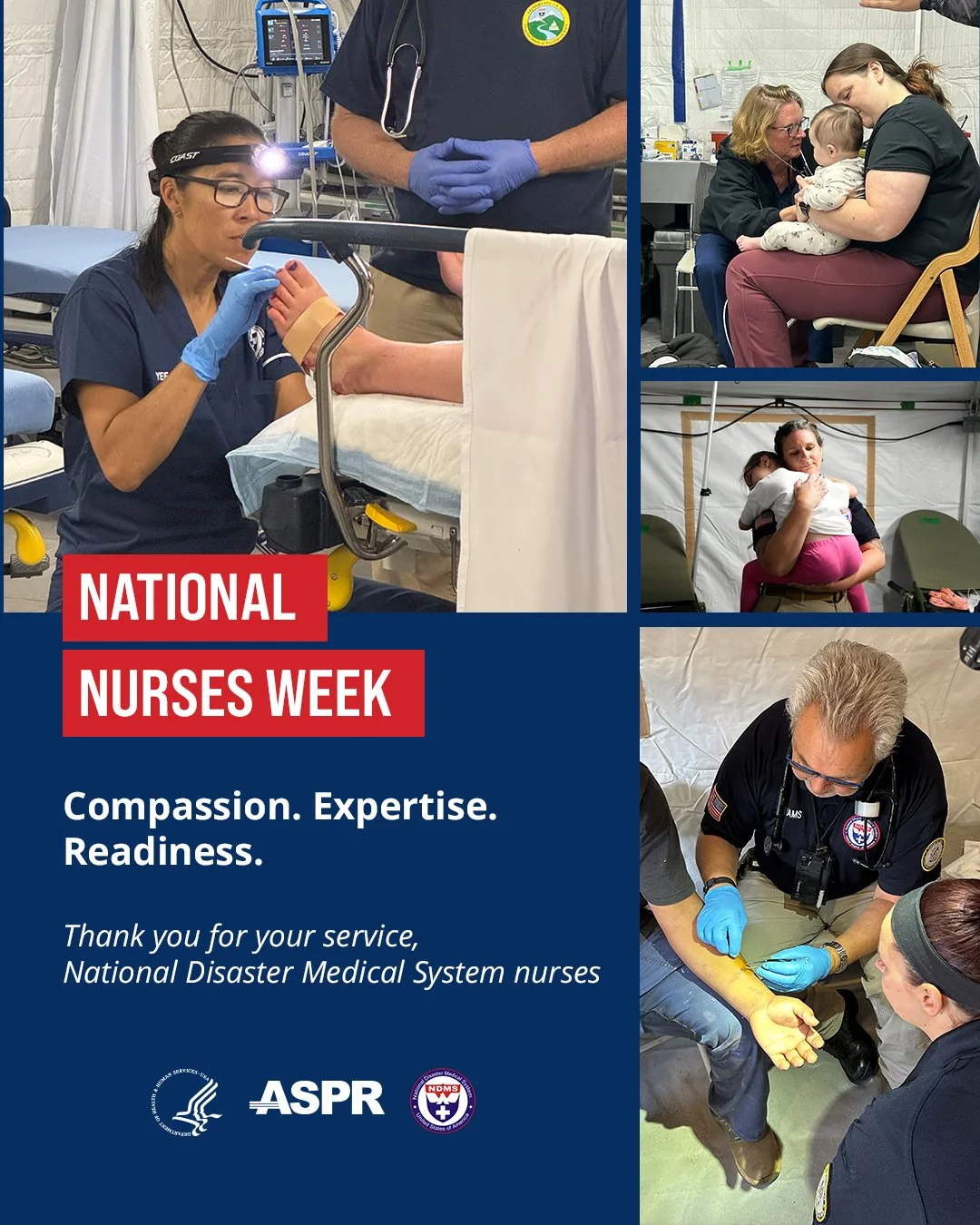
![Collage of images showing nurses and medical personnel caring for patients and communication with families inside a medical tent, with a poster celebrating National Nurses Week.]()
During National Nurses Week, ASPR thanks all the nurses serving in the National Disaster Medical System (NDMS) who use your compassion, skills, and commitment to ensure patients receive outstanding care when disaster strikes.
“For over 37 years of NDMS response, the care NDMS nurses have provided to thousands of people has been extraordinary. From something as simple as a bandage to complex, life-saving interventions, their impact has been profound,” said Helga-Scharf-Bell, ASPR National Disaster Medical System Director. “Every interaction reflected professionalism, compassion, and the reassuring presence brought—often with nothing more than a listening ear and a comforting smile.”
Nurses, thank you for the vital role you play in protecting the health and safety of communities across the country when disasters strike. -
![]()
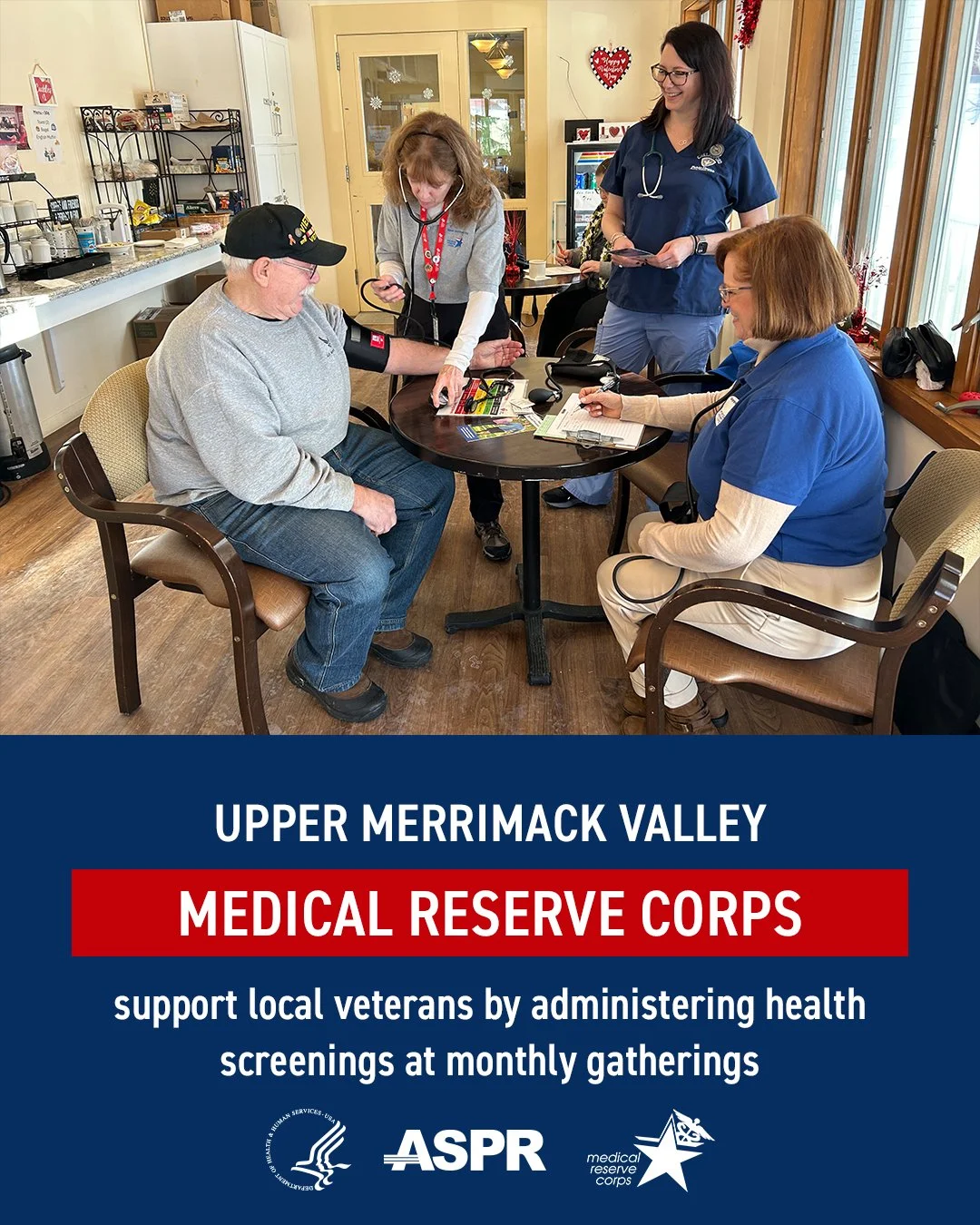
In the Upper Merrimack Valley, Medical Reserve Corps volunteers have teamed up with the Chelmsford Health Department to deliver free health screenings—and plenty of smiles—to local veterans.
At the request of the local health department and town nurse, MRC volunteers provide health screenings at monthly gatherings to assist in monitoring veterans’ key wellness indicators, including high blood pressure, and answering general health questions. These gatherings also provide veterans with an opportunity to connect with others in their community.
To learn more about the program’s impact, check out the link in our bio or visit https://lnkd.in/ezUCkdxT.